
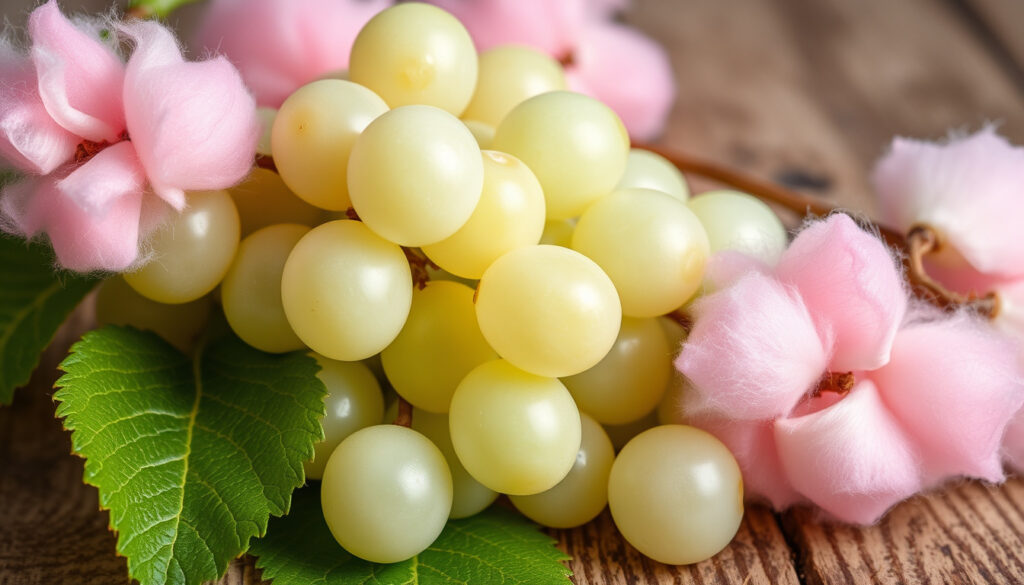
If you’ve ever bitten into a grape that tasted uncannily like spun sugar at a fair, you’re not imagining things. Cotton candy grapes are a real hybrid fruit that landed in supermarkets around the mid-2010s and have been sparking curiosity ever since.
Developed by: David Cain · Breeding method: Conventional plant breeding · GMO status: No · Flavor profile: Cotton candy taste · Availability: Seasonal
Quick snapshot
- Not genetically modified (Eutrema)
- Created via plant breeding by IFG scientists (Tasting Table)
- Developed by David Cain over at least 10 years (Tasting Table)
- Exact nutritional variances compared to standard grapes
- Precise season start and end dates vary by region
- Development began over a decade prior to public release (Tasting Table)
- Commercially available since mid-2010s (Tasting Table)
- Continued seasonal availability in Ireland and UK
- Potential expansion to additional retailers
| Attribute | Value |
|---|---|
| Inventor | David Cain |
| Taste | Cotton candy |
| GMO | No |
| Farms | M&S Select Farms |
| Pack size (Ireland) | 400g |
| Sugar content | 18g per 100g |
| Lead breeder company | International Fruit Genetics (IFG) |
| Development time | At least 10 years |
What is so special about cotton candy grapes?
Cotton candy grapes deliver a flavour experience that genuinely surprises most people the first time they try one. The taste—an unmistakable hit of sweet, cotton candy—is the result of years of patient plant breeding, not any kind of artificial flavouring or genetic modification. The grapes are seedless and fall into the mid-season white-to-amber category, making them a distinctive offering among standard table grapes.
Unique flavor profile
The flavour compounds responsible for that cotton candy taste, including natural compounds like ethyl maltol, develop naturally within the grape as a result of cross-pollinating different grape varieties. According to Eutrema (horticulture expert), these grapes are “not genetically modified, not artificially flavoured, not injected or treated post-harvest.” The sweetness you taste is entirely natural—just concentrated through selective breeding.
Origin and development
International Fruit Genetics (IFG), a fruit-breeding company based in California, developed this variety. IFG scientists led by horticulturalist David Cain spent at least 10 years perfecting the cross-pollination techniques that eventually produced this grape. Marks & Spencer describes their Collection Cotton Candy Grapes (retailer) as “naturally grown on trusted M&S Select Farms” and “picked at optimal time for flavour.”
The cotton candy taste in these grapes is genuine—not a gimmick or additive. IFG breeders spent a decade coaxing this flavour from natural grape genetics, making it a genuine horticultural achievement rather than food processing.
How do they get the flavor in cotton candy grapes?
The cotton candy flavour in these grapes does not come from a factory, a spray, or any post-harvest treatment. Instead, it emerges from the grape itself during natural growth, the result of carefully planned cross-breeding between grape varieties that happened to produce particularly high levels of certain aromatic compounds.
Breeding process
IFG scientists selected and cross-pollinated grape varieties over many growing seasons, watching for seedlings that displayed the desired flavour profile. This conventional plant breeding technique—essentially sophisticated selective pollination—is the same method used to develop many popular fruit varieties over the past century. According to Tasting Table (food journalist), “cotton candy grapes are not processed or genetically modified. They are an all-natural result of years of scientific cross-breeding.”
Natural vs modified
To be absolutely clear: cotton candy grapes are not GMO. The flavour comes from concentrated natural compounds that developed through selective breeding, where grape varieties carrying certain aromatic properties were systematically crossed. This is fundamentally different from genetic engineering, which involves directly modifying an organism’s DNA in a laboratory setting. The distinction matters because while some high-risk crops like cotton have extensive GMO adoption (over 97% of US cotton is GMO, according to the Non-GMO Project), table grapes like this variety remain conventionally bred.
The label “cotton” in the name refers purely to flavour—it carries no connection to the cotton crop or its GMO status.
Are cotton candy grapes healthy?
Cotton candy grapes sit in a slightly unusual position nutritionally—they taste like candy yet grow like ordinary fruit. This raises legitimate questions about how they fit into a balanced diet. The short answer is that they share a similar nutritional foundation with other grapes, but their higher natural sugar content warrants some awareness.
Nutrition comparison
Cotton candy grapes contain approximately 18g of sugar per 100g, which is higher than typical grapes. They provide vitamins B, K, and C along with antioxidants, supporting heart and brain health according to Tasting Table (food journalist). The Marks & Spencer product carries the retailer’s “Eat Well” flower, indicating it qualifies as part of a balanced diet.
Vs regular grapes
Compared to standard grapes, cotton candy grapes offer comparable vitamins and antioxidants but with notably higher natural sugar. Red grapes are generally richer in antioxidants according to some nutritionists cited by Our Dr Candy (health blog). The American Heart Association recommends limiting daily added sugar to 6 teaspoons for women and 9 teaspoons for men—natural sugars in fruit count toward this intake. One potential concern: the candy-like sweetness may encourage overconsumption without the fibre benefits you’d get from whole fruits with lower sugar density.
Dr. Emily Rodriguez (nutritionist at Fresh Produce Solutions) offers measured guidance: “You can definitely enjoy them as part of a balanced diet—just remember, moderation is absolutely key.” Grapes appear on the EWG Dirty Dozen list for pesticide residues, so opting for organic cotton candy grapes where available may reduce exposure, according to Our Dr Candy.
Cotton candy grapes are lower in calories than traditional candy and provide vitamins and antioxidants. However, their concentrated sweetness—18g sugar per 100g—means they can contribute significantly to daily sugar intake, particularly for those monitoring carbohydrate consumption.
Are cotton candy grapes genetically modified?
No. Cotton candy grapes are not genetically modified organisms. They were developed through conventional plant breeding techniques involving careful cross-pollination over many years. This distinction is important because it separates them from crops that have had their DNA directly altered in a laboratory.
Breeding facts
IFG led by David Cain used traditional cross-breeding methods—selecting parent plants with desirable traits and manually pollinating them to produce offspring with combined characteristics. This process takes many years but does not involve any genetic engineering. According to Eutrema (horticulture expert), cotton candy grapes are “created via traditional cross-breeding” and “not GMO, not artificially flavoured.”
GMO myths
Despite their unusual flavour, cotton candy grapes have never been subject to genetic modification. The confusion sometimes arises because “cotton” appears in the name—referring to the flavour, not the cotton plant. While it’s true that GMO cotton represents a high-risk category with over 97% of US cotton being genetically modified (per the Non-GMO Project), cotton candy grapes are a completely different species and breeding pathway.
Health Canada states that GM foods “pose no more risk than non-GM foods,” according to Health Canada (government safety body). Similarly, the American Cancer Society reports “no evidence GMOs change human DNA or increase cancer risk,” as cited by Healthline (health information source). However, the point is somewhat moot here—cotton candy grapes simply are not GMO.
Where to buy cotton candy grapes?
Cotton candy grapes are available at several retailers, particularly in the UK and Ireland, though they remain a seasonal product with limited availability windows. Here’s what we know about where to find them.
Retailers and locations
In Ireland, cotton candy grapes are available at multiple major retailers:
- Iceland Foods – Sells 400g packs, with distribution including Dublin locations such as 27/29 Orwell Road, Rathgar, Dublin 6, according to the Iceland Foods (retailer) product listing
- Marks & Spencer – Offers Collection Cotton Candy Grapes in 400g packs, naturally grown on Select Farms
- Dunnes Stores – Carries Seasons Best Cotton Candy Grapes 400g, confirmed by Quidu/Dunnes Stores (retailer pricing guide)
- Etsy Ireland – Offers fresh seedless grapes and even cotton candy grape plants for home growing, per Etsy Ireland (marketplace)
Seasonal availability
Cotton candy grapes are a mid-season variety, meaning they’re typically available during specific windows rather than year-round. The exact season varies by retailer and region, but they generally appear during the late summer to early autumn period. Iceland Foods confirms they’re a “seasonal” product, and Nicol Retailer also notes seasonal availability. Aldi and Lidl availability varies by season and location.
If you’re specifically hunting cotton candy grapes, calling ahead to your local Iceland, M&S, or Dunnes Store to check current stock makes sense—they’re not always on shelves, and a quick phone call can save a trip. Availability tends to peak during the mid-season window, so planning your purchase around late summer increases your chances of finding them.
Cotton candy grapes vs regular grapes vs traditional candy
Three distinct categories, three very different profiles—one is a hybrid fruit, one is standard produce, and one is processed sugar.
| Attribute | Cotton Candy Grapes | Regular Grapes | Traditional Candy |
|---|---|---|---|
| Source | Natural hybrid fruit | Standard fruit | Processed sugar |
| Calories | Moderate | Moderate | High |
| Sugar content | 18g per 100g (higher) | Balanced | Very high |
| Vitamins/antioxidants | Yes (B, K, C) | Yes | No |
| Artificial flavouring | No | No | Usually yes |
| GMO status | No | Usually no | N/A |
Cotton candy grapes compare favourably to traditional candy in terms of calories and come with genuine nutritional benefits. However, their elevated sugar content puts them closer to regular grapes than their confectionery namesake.
Cotton candy grapes: Specs and details
Four key specifications define what cotton candy grapes are and how they differ from standard table grapes.
| Specification | Detail |
|---|---|
| Variety type | Mid-season white to amber seedless grape |
| Lead breeder | David Cain (IFG) |
| Breeding company | International Fruit Genetics (IFG), California |
| Development time | At least 10 years |
| GMO status | Not GMO |
| Flavour compounds | Natural (including ethyl maltol via selective breeding) |
| Post-harvest treatment | None—natural growth only |
| Typical pack size | 400g |
| Irish availability | Iceland, M&S, Dunnes Stores (seasonal) |
Upsides
- Genuine cotton candy taste from natural breeding
- Not genetically modified—no lab alterations
- Provides vitamins B, K, C and antioxidants
- Lower calorie than traditional candy
- Seedless and convenient to eat
- Available at major UK and Irish retailers
Downsides
- Higher sugar than standard grapes (18g per 100g)
- Seasonal availability only—limited windows
- May encourage overconsumption due to sweetness
- Red grapes offer more antioxidants
- On EWG Dirty Dozen pesticide list—organic preferred
- Higher price point than regular grapes at some retailers
What sources say about cotton candy grapes
Beyond the data, several sources offer direct perspective on what cotton candy grapes are and how to think about them.
Cotton candy grapes are not genetically modified, not artificially flavoured, not injected or treated post-harvest.
— Eutrema Blog (horticulture expert)
You can definitely enjoy them as part of a balanced diet—just remember, moderation is absolutely key.
— Dr. Emily Rodriguez, nutritionist at Fresh Produce Solutions
Believe it or not, cotton candy grapes are not processed or genetically modified. They are an all-natural result of years of scientific cross-breeding.
— Tasting Table (food journalist)
Naturally grown on trusted M&S Select Farms, these Collection grapes have an exquisitely sweet cotton candy taste.
— Marks & Spencer (retailer)
Related reading: Easy Healthy Dinner Recipes
Fans of cotton candy grapes’ candy-like sweetness without GMOs can explore their full nutrition and buying details in detailed flavor nutrition guide, aligning with seasonal tips.
Frequently asked questions
Why do my grapes taste like cotton candy?
Your grapes taste like cotton candy because they’re a hybrid variety developed by International Fruit Genetics. Through conventional cross-breeding over at least 10 years, IFG scientists combined grape varieties carrying certain aromatic compounds—including natural ethyl maltol—that produce that distinctive cotton candy flavour. No artificial flavours are added; the taste develops naturally within the grape itself.
What’s the healthiest colour grapes to eat?
Red grapes are generally considered richer in antioxidants than green or white grape varieties, including cotton candy grapes. However, all grapes provide vitamins B, K, and C along with beneficial antioxidants. For those specifically concerned about pesticide residues, choosing organic grapes—cotton candy grapes included—may reduce exposure, as grapes appear on the EWG Dirty Dozen list for pesticide content.
What is the #1 healthiest fruit?
No single fruit holds an absolute claim to being the healthiest—different fruits excel in different nutritional areas. Berries often rank highly for antioxidant content, while citrus fruits lead in vitamin C. Grapes, including cotton candy varieties, provide vitamins B, K, and C with some antioxidant benefits. The healthiest approach is variety: eating a range of fruits ensures broader nutrient coverage.
Can cotton candy grapes be frozen?
Yes, cotton candy grapes can be frozen and make a refreshing frozen snack—similar to frozen grapes in general. Freezing preserves the grapes while creating a unique texture experience. For best results, wash and dry the grapes thoroughly, spread them on a baking sheet in a single layer to freeze individually, then transfer to an airtight container or freezer bag for storage. Frozen grapes keep for several months.
Where can I find cotton candy grapes near me?
In the UK and Ireland, check Iceland Foods, Marks & Spencer, and Dunnes Stores—they carry 400g packs of cotton candy grapes during the seasonal window. Availability varies by location and season, so calling ahead to confirm stock is advisable. Etsy also offers fresh cotton candy grapes and even plants for home growing in Ireland.
When is cotton candy grapes season?
Cotton candy grapes are a mid-season variety, typically available from late summer through early autumn. The exact availability window varies by retailer and region. In Ireland, seasonal listings appear at retailers like Dunnes Stores and Iceland Foods during this period. If you miss the fresh season, frozen cotton candy grapes offer an alternative way to enjoy them year-round.
Are cotton candy grapes available in Ireland?
Yes, cotton candy grapes are available in Ireland. Major retailers stocking them include Iceland Foods (with Dublin distribution including Rathgar), Marks & Spencer, and Dunnes Stores. They typically appear as seasonal products in 400g packs. Etsy Ireland also offers fresh cotton candy grapes and plants for home cultivation.

Alex Chen is Editor-in-Chief at Aussie Briefly, overseeing editorial standards, publication decisions and corrections.