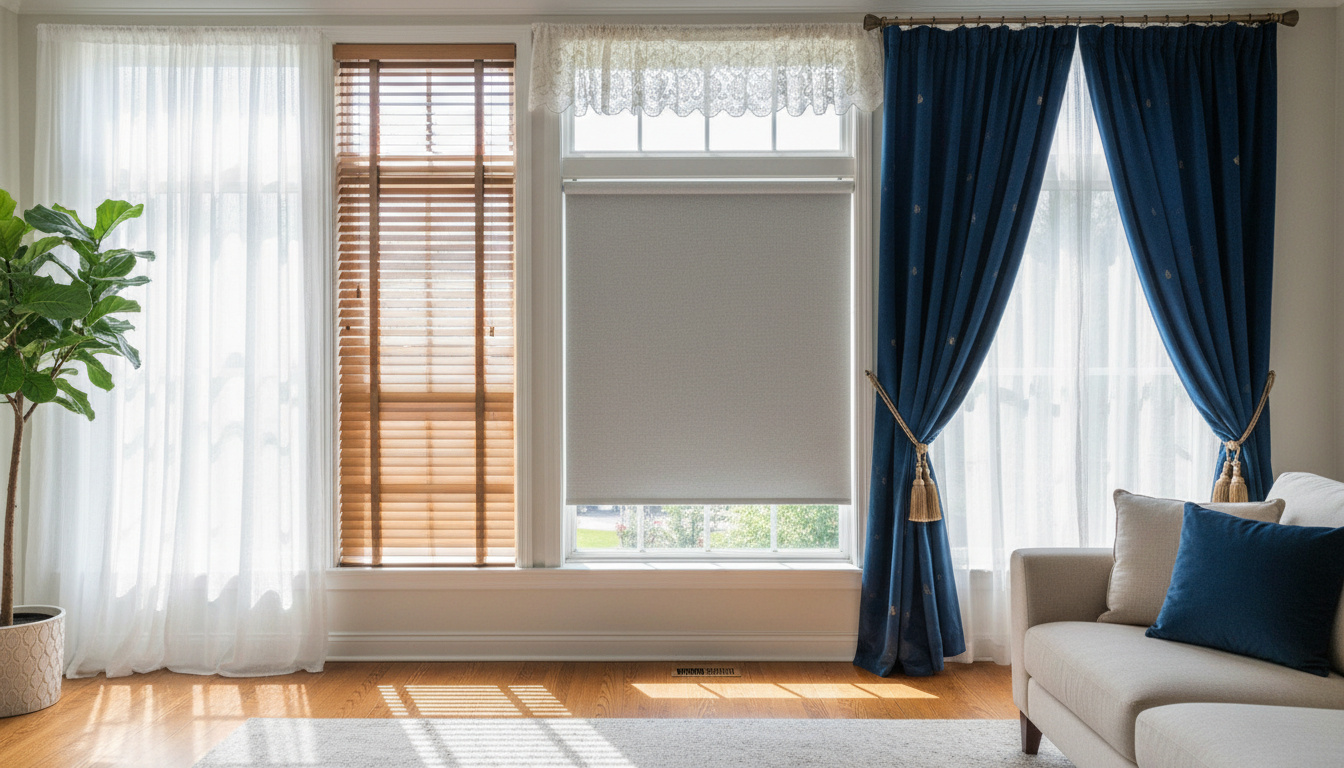
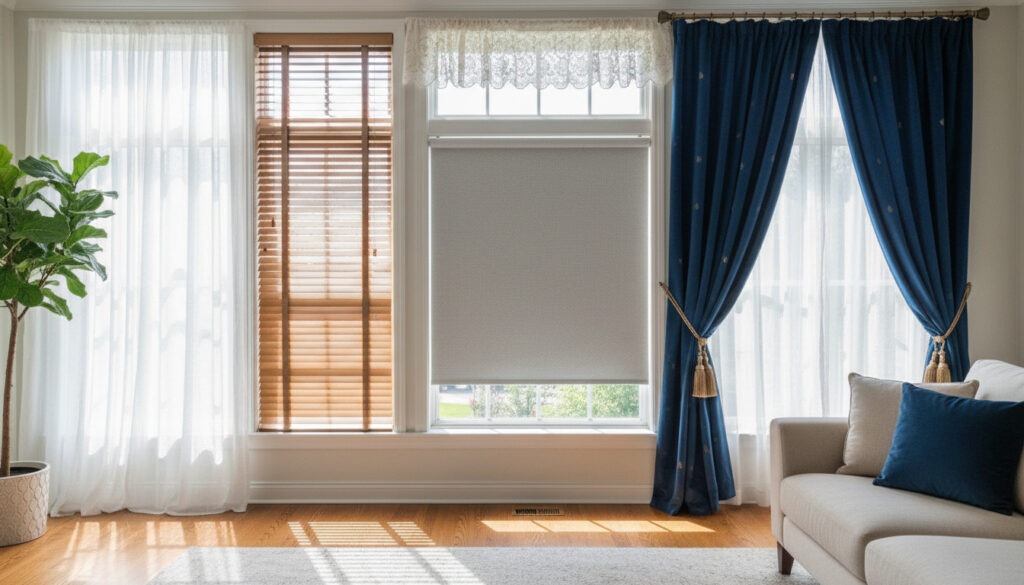
Window treatments represent the intersection of practical necessity and interior design, encompassing any custom-designed covering installed over or around windows to manage privacy, light, and energy efficiency while enhancing visual appeal. These architectural elements extend beyond mere decoration, functioning as essential components that regulate temperature, protect furnishings from ultraviolet damage, and establish the stylistic tone of residential spaces.
The category spans a spectrum from minimalist roller shades to elaborate drapery systems, each configuration tailored to specific functional requirements and aesthetic preferences. Understanding the distinction between various treatment types enables homeowners to make informed decisions that balance operational needs with design cohesion, whether renovating existing spaces or furnishing new construction.
What Is a Window Treatment?
Custom coverings for windows managing privacy, light, and energy while enhancing décor
Blinds, shades, shutters, and drapes/curtains
Privacy control, light filtration, thermal insulation, UV protection
Fabric, wood, aluminum, cellular composites, and natural fibers
- Blinds offer precise light control and budget-friendly options for most residential applications
- Curtains and drapes provide soft aesthetics with superior insulation properties when lined
- Plantation shutters deliver premium durability and permanent architectural value
- Cellular shades trap air within pleated cells to maximize energy efficiency and noise reduction
- Layering hard and soft treatments creates dual-function solutions for complex lighting needs
- Natural woven materials introduce organic texture while diffusing harsh sunlight effectively
| Type | Light Control | Privacy Level | Energy Efficiency | Primary Material |
|---|---|---|---|---|
| Roller Shades | Adjustable to blackout | High | Moderate | Fabric/Vinyl |
| Honeycomb Shades | Filtered to room darkening | High | Superior | Fabric cells |
| Wood Blinds | Precise slat adjustment | Adjustable | Good | Hardwood/Composite |
| Plantation Shutters | Louvered control | Excellent | Superior | Wood/Polymer |
| Drapes (lined) | Blackout capable | Complete | High | Textile/Lining |
| Sheer Shades | Diffused natural light | Moderate | Low | Sheer fabric |
| Woven Wood | Filtered light | Moderate to high | Moderate | Bamboo/Grasscloth |
| Vertical Blinds | Directional control | Adjustable | Moderate | Vinyl/Fabric/Aluminum |
Types of Window Treatments
Shades: Fabric Innovation
Shades constitute a versatile category utilizing continuous fabric panels rather than slats. Roller shades provide clean, modern profiles with excellent light control and privacy options. Roman shades fold upward in soft pleats, offering tailored elegance suitable for traditional and contemporary interiors alike. Sheer shades suspend fabric vanes between translucent layers, preserving exterior views while diffusing natural illumination.
Cellular or honeycomb shades feature pleated constructions that trap air within geometric cells, creating superior insulating barriers against thermal transfer. Woven wood shades utilize bamboo, grasscloth, or reed materials to introduce textural organic elements that filter light while maintaining connection to natural environments.
Combining hard treatments like cellular shades with soft drapes creates optimal insulation while allowing flexible light management throughout the day.
Blinds and Adjustable Systems
Blinds feature adjustable horizontal or vertical slats constructed from wood, aluminum, composite materials, or fabric. This adjustability permits precise directional control of incoming light and variable privacy levels. Horizontal configurations dominate standard residential windows, while vertical arrangements accommodate sliding glass doors and expansive panoramic openings.
Aluminum and vinyl blinds present economical solutions for large-scale installations or high-moisture environments such as kitchens and bathrooms. Wood and faux-wood composites offer warmer aesthetic qualities but require consideration of humidity exposure.
Soft Treatments and Drapery
Draperies differ from curtains primarily through weight and construction; drapery panels utilize heavier fabrics, often with integrated linings for enhanced light blockage and thermal insulation. Curtains typically feature lighter, unlined textiles that filter rather than block illumination. Both categories attach to rods or tracks above window frames, extending beyond the glass perimeter to create visual height and frame architectural features.
Shutters as Architectural Elements
Plantation shutters mount directly within window jambs as permanent fixtures rather than applied coverings. Solid panels incorporate adjustable louvers that pivot to control light penetration and sightlines. Constructed from hardwoods or engineered polymers, shutters provide exceptional durability, energy efficiency, and property value appreciation.
How to Choose the Right Window Treatment
Evaluating Functional Requirements
Selection begins with identifying primary needs for each specific room. Bedrooms and media rooms typically require blackout capabilities provided by cellular shades, lined drapes, or shutter systems. Living and dining areas often benefit from sheer shades or light-filtering woven materials that preserve natural illumination while mitigating glare and UV exposure.
Privacy considerations vary by orientation and proximity to neighboring structures. Street-facing windows demand opaque solutions such as honeycomb shades or wood blinds, while rear elevations with garden views might accommodate translucent options.
Custom window treatments require exact measurements for proper fit; professional consultation ensures accurate sizing for bay windows or irregular architectural features.
Budget Parameters and Value
Aluminum blinds and basic roller shades represent the most economical entry points, delivering functional light control and privacy at accessible price tiers. Mid-range options include cellular shades and faux-wood blinds, balancing performance with aesthetic refinement. Plantation shutters and custom drapery systems constitute premium investments, offering longevity and architectural integration that may increase property valuation.
Cost variability depends significantly on material selection, window dimensions, and operational mechanisms such as motorization. Budget vinyl blinds serve temporary or rental applications adequately but underperform premium alternatives in longevity and thermal efficiency.
Installation Considerations
Simple roller shades and standard blinds accommodate DIY installation using L-brackets or extension brackets for inside or outside mount configurations. Complex layered treatments require sequential installation, mounting hard base elements first before applying soft overlays such as valances or drapery hardware.
Heavy drapery hardware, plantation shutters, and motorized systems often require professional mounting to ensure structural integrity and proper alignment, particularly for bay windows or ceiling-mounted tracks.
Clarifying Common Misconceptions
Clear terminology matters across disciplines, whether examining a hostile work environment definition or categorizing interior elements. Window treatments specifically emphasize custom-designed integration of style and function, whereas the broader term “window coverings” encompasses any protective layer including temporary or purely utilitarian solutions.
| Established Facts | Variable or Unclear Aspects |
|---|---|
| Window treatments include both hard (blinds/shutters) and soft (drapes/shades) categories | Exact cost ranges vary significantly by market region and custom fabrication specifications |
| Curtains and blinds definitively qualify as window treatments | DIY feasibility depends on specific hardware weight and wall construction materials |
| Layering enhances functional performance beyond single treatments | Standardized “best” options depend on individual room orientation and climate conditions |
| Cellular shades and shutters provide measurable energy efficiency | Longevity comparisons between vinyl and wood composites lack standardized testing metrics |
Window Treatments in Home Design Context
Contemporary residential design increasingly favors dual-function combinations that address multiple environmental factors simultaneously. Natural textures such as woven bamboo and grasscloth respond to biophilic design trends, introducing organic materiality that softens architectural geometry while maintaining ecological sensitivity.
Energy efficiency has shifted from secondary consideration to primary selection criterion, with cellular constructions and lined draperies specified specifically for thermal performance. Modern aesthetics increasingly reject purely ornamental solutions in favor of adaptable systems that transition seamlessly between transparency and opacity as daily light conditions change.
Room-specific applications reflect these evolving priorities. Sheer shades dominate living areas where view preservation outweighs absolute privacy, while bedrooms increasingly utilize layered blackout systems combining cellular bases with drapery overlays. Kitchen and patio spaces accommodate vertical treatments or woven materials that withstand humidity while managing large glass expanses.
Industry Sources and Expert Perspectives
Window treatments are custom-designed coverings installed over or around windows to enhance functionality (such as privacy, light control, energy efficiency, and insulation) and visual appeal in a home.
— Gotcha Covered Window Treatments
Hard treatments (blinds/shutters) use rigid materials for durability; soft ones (drapes/shades) prioritize fabric flexibility and insulation.
— Bringnox Smart Home
Key Takeaways on Window Treatments
Effective window treatment selection balances immediate functional requirements—privacy, light management, and thermal control—with long-term aesthetic and durability considerations. The category encompasses diverse solutions from economical aluminum blinds to premium plantation shutters, each offering distinct operational characteristics. Successful implementation often involves combining multiple treatment types to create layered environmental control. Window treatments complete residential environments, much as a chocolate cake recipe completes a dining occasion, through thoughtful attention to material quality and contextual appropriateness.
Frequently Asked Questions
Are curtains considered window treatments?
Yes, curtains qualify as window treatments, specifically as soft treatments using fabric panels. They differ from heavier drapes by lacking lining and structural weight, but both fall under the soft treatment category alongside shades.
What is the cheapest window treatment option?
Aluminum blinds and basic roller shades represent the most budget-friendly options, offering simple installation and tailored appearance at lower price points than wood shutters or custom drapery.
What window treatments block the most light?
Blackout cellular shades, lined drapes, and plantation shutters provide maximum light blockage. Layering treatments—such as combining shades with drapes—creates comprehensive room darkening for bedrooms or media rooms.
Do blinds count as window treatments?
Absolutely. Blinds constitute hard window treatments characterized by adjustable slats in materials including wood, aluminum, composite, or fabric. They provide precise control over light direction and privacy levels.
What distinguishes window treatments from window coverings?
Window treatments emphasize custom design integrating style with function, often involving layered hard and soft elements. Window coverings serves as a broader term encompassing any protective layer, including basic or temporary solutions.
Which treatments work best for energy efficiency?
Honeycomb or cellular shades trap air within pleated cells to create insulating barriers. Plantation shutters and lined drapes also provide significant thermal resistance, reducing heating and cooling costs.

Priya Tran leads fact-checking, source verification and corrections at Aussie Briefly.