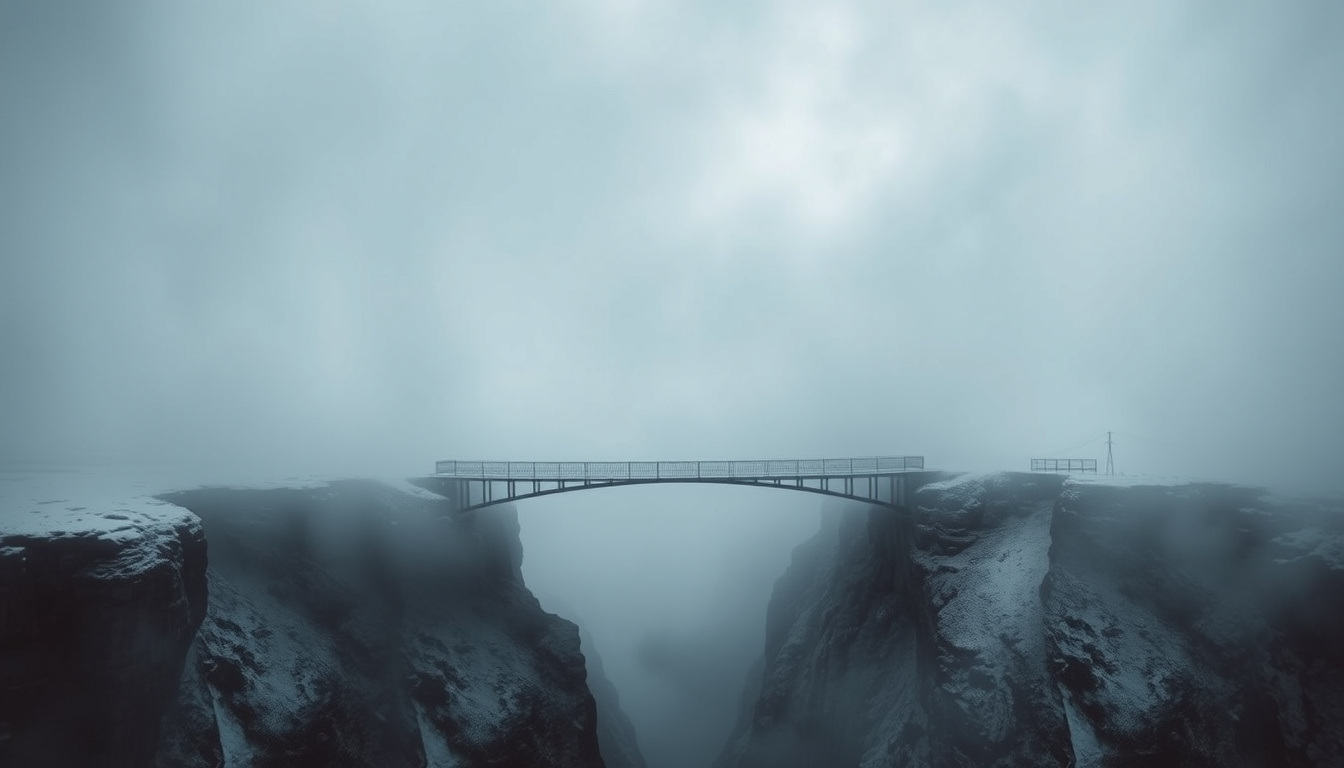
The Empty Man arrived in theaters during the pandemic wreckage of 2020 and vanished without a trace. Two years later, horror fans on streaming discovered something critics initially dismissed: a genuinely unsettling slow-burn that rewards patience with one of the more memorable supernatural entities in recent genre filmmaking.
Release Year: 2020 · Director: David Prior · Lead Actors: James Badge Dale, Marin Ireland · Genre: Supernatural Horror · Streaming Platform: Disney+
Quick snapshot
- Exact Rotten Tomatoes critics score (varies by source)
- Current streaming availability outside Disney+
- Whether Bhutan connection in lore is fully explained in film
- Original schedule: August 7, 2020 (Wikipedia)
- US theatrical: October 23, 2020 (Wikipedia)
- UK Disney+ debut: February 19, 2021 (Wikipedia)
- Continued cult appreciation on streaming platforms
- Home video releases through Criterion Collection
- Potential director’s cut discussions
Six core facts anchor everything else about this film, from its troubled release to its streaming resurrection.
| Field | Detail |
|---|---|
| Director | David Prior |
| Release Date | 2020 (US: October 23, 2020) |
| Starring | James Badge Dale, Marin Ireland |
| Plot Core | Ex-cop uncovers cult summoning entity |
| Key Platform | Disney+ |
| Runtime | 131–138 minutes (varies by source) |
James Badge Dale carries the film through its 138-minute runtime as an ex-cop drawn into a small-town nightmare, delivering a performance that anchors the mythology’s darker moments.
Is Empty Man a good movie?
Critical opinion splits sharply on The Empty Man, and the numbers reflect that tension. Rotten Tomatoes aggregate shows a divergence between critics who found it ponderous and fans who discovered something worth championing once it hit streaming. The disparity grew louder after its theatrical stumble—exactly the kind of reversal that makes horror cinephiles lean in.
Critical reception
Reviews painted the film as structurally ambitious but uneven. Movieguide (faith-based outlet, critical perspective) called it “a perplexing, obscenity-laden mix of creepy horror and a dense and nihilistic occult subtext about reality, fantasy and language.” The runtime—nearly two and a quarter hours—drew particular fire, with critics noting it strained under its own weight.
What saved it from total dismissal was the filmmaking craft underneath. Director David Prior, working from a comic series by Cullen Bunn, built genuine dread through atmospheric staging rather than jump scares. The prologue set in 1995 Tibet—with hikers encountering something in the mountains—established a mythology that felt genuinely unfamiliar.
Audience reactions
The audience reception story is what makes The Empty Man worth discussing. Post-streaming, the film gained traction as what Den of Geek (pop culture publication, genre authority) called “a cult classic.” This wasn’t studio-engineered success—it was word-of-mouth from viewers who found it after the theatrical window closed.
A film too bleak for Halloween crowds became a destination for viewers seeking horror with genuine thematic weight.
The pattern here matters: horror that doesn’t deliver easy satisfaction often finds its audience later, on streaming, when viewers can settle in rather than expecting theatrical thrill delivery.
James Badge Dale’s committed performance helps bridge the film’s tonal shifts, but the real draw is the mythology—if you invest in the 138-minute commitment, the payoff rewards patience.
Is The Empty Man inappropriate?
Parents and sensitive viewers should know exactly what they’re signing up for. The Empty Man carries a rating that reflects serious content—not the sanitized horror of mainstream releases.
Content warnings
The BBFC (British Board of Film Classification, regulatory body) provides the most detailed breakdown, listing “strong bloody violence, stabbings, throat-slashing, shootings, gory injury detail, and suicide references.” Their classification covers Drama, Horror, Thriller with these specifics in mind.
Movieguide (faith-based review outlet, content analysis focus) documented additional concerns: “strong foul language, extreme violence, brief explicit nudity, and objectionable content.” Their broader critique framed the film’s worldview as “confusing, mixing occultism, Eastern religion, and nihilism”—a mixture they found deeply troubling.
Age ratings
The MPAA rating is R (Restricted), which means anyone under 17 requires accompanying parent or adult guardian. Per Criterionpicusa (home video distributor, catalog information), the R rating stems from the violence and language load rather than sexual content.
For UK audiences, the BBFC rating carries the same practical implication: not for younger viewers without guidance. The runtime compounds the intensity—longer exposure to dark material matters when assessing appropriateness.
Parents searching for “is it scary” need the fuller picture: this isn’t jump-scare horror that washes off easily. The nihilistic undertones and cult manipulation themes linger.
If your 13-year-old has navigated R-rated horror with adult discussion afterward, this film’s craft might reward that maturity. Otherwise, wait.
The implication for parents is clear: the BBFC’s explicit violence documentation and the film’s extended runtime mean this isn’t casual viewing even for horror-literate teenagers.
James Badge Dale’s character navigates adult failure and cult manipulation—themes that require emotional maturity to process without lasting discomfort for younger viewers.
Can my 13 year old watch it?
The short answer leans no, and here’s the specific calculus parents need to make.
Rating breakdown
An R rating exists precisely because 13-year-olds lack the developmental context to process certain content safely. The violence isn’t cartoonish—BBFC documents throat-slashing and stabbing sequences with “gory injury detail.” Suicide references appear in narrative context, not as throwaway elements. Filmiway’s (parent-focused guide, content warnings focus) parents’ section highlights “the terrifying idea: if enough people believe in a monster with enough intensity, does that monster manifest into reality?” That’s sophisticated thematic material that assumes adult processing capacity.
Kid suitability
Comparable films like It operate in the same horror space but calibrate differently—teen protagonists mean teen audiences have permission to identify with characters. The Empty Man features adult characters navigating adult failure. The cult themes especially carry manipulation and existential dread that don’t translate to younger viewers as narrative tension—they translate as genuinely disturbing content.
The runtime factor cuts both ways: parents might reason that longer films mean more investment, but in horror specifically, extended runtime means extended exposure to whatever is unsettling about the film.
James Badge Dale’s ex-cop character exists in a world of consequences and darkness—the film doesn’t offer the protective distance that teen-targeted horror provides.
What is the creature in Empty Man?
The entity at the center of The Empty Man mythology operates on a principle more unsettling than most monster designs: belief itself may summon it.
Origin and lore
The film draws from a Boom! Studios comic series by Cullen Bunn and Vanesa R. Del Rey, which established the Empty Man as something that manifests when enough people share focused belief. This isn’t a demon with clear mythology—it’s closer to an urban legend given form, something that exists because people collectively expect it to.
The prologue in Tibet establishes the stakes: hikers in 1995 encounter something in the mountains after the local mythology surfaces. Twenty-three years later, in St. Louis, a cult recreates those summoning conditions. Per Movieguide, the cult connects to “suicides and murders by the Empty Man entity”—the entity as weapon rather than random horror.
Role in plot
James Badge Dale’s ex-cop character discovers the trail of missing persons links to this cult activity. The investigation becomes the mechanism for revealing the mythology—not through exposition but through escalating discovery. The creature design favors suggestion over revelation; what you imagine is worse than what the film shows.
The creature’s power lies in its conceptual nature. Focus on how the film frames belief and manifestation rather than expecting conventional monster-movie payoff.
This design philosophy aligns with Lovecraftian horror tradition—eldritch entities where knowing too much damages the knower. The cult’s role is to bridge the gap between ancient summoning and modern victims.
James Badge Dale’s investigation gradually reveals that the Empty Man isn’t just a monster—it’s a consequence of human belief, which raises uncomfortable questions about the nature of horror itself.
What kind of horror is The Empty Man?
Classification matters here because expectations shape experience. This isn’t Blumhouse efficiency horror or torture-porn extremity—it’s atmospheric slow-burn with cult mythology underneath.
Subgenre elements
The Empty Man occupies a hybrid space. The urban legend framework gives it folk horror credentials. The entity design and summoning mechanics add cosmic horror influence. The investigative cop narrative provides thriller structure throughout. The result resists easy categorization—which is either the film’s strength or its commercial liability, depending on perspective.
The cult elements recall The Wicker Man in their small-town concealment—something rotten beneath a seemingly normal surface. The existential stakes echo The Ring, where belief itself creates vulnerability. Den of Geek’s “Ring video of streaming” framing recognizes this kinship.
Comparisons to classics
The runtime comparison to The Ring (105 minutes) reveals how The Empty Man gambled on patience. A 138-minute horror film asking viewers to sit with dread for two-plus hours demands commitment. The theatrical release didn’t get that commitment; streaming environments sometimes do.
Director David Prior’s stated view—that the theatrical release was a rough edit—suggests the film exists in a different form than what audiences encountered. This kind of filmmaker frustration often signals a cult future, where patient viewers discover what the original release couldn’t deliver.
Upsides
- Atmospheric dread over cheap scares
- Distinctive mythology grounded in belief mechanics
- Strong lead performance from James Badge Dale
- Ambitious runtime that rewards patient viewers
- Post-streaming cult appreciation validates its ambition
Downsides
- R rating limits audience significantly
- Long runtime tests casual viewer patience
- Theatrical release underperformed expectations
- Content crosses lines many viewers find objectionable
- Confusing worldview frustrates faith-based audiences
The pattern is clear: The Empty Man asks more of its audience than typical horror, and delivers more for those willing to meet it there.
James Badge Dale’s presence elevates the material, but the film’s true value lies in its refusal to offer easy answers—the horror lingers because it demands interpretation rather than simply scaring and releasing.
“After hitting streaming platforms, the horror movie dismissed during the chaos of 2020 is being hailed as a cult classic.”
— Den of Geek (pop culture publication, genre analysis)
“THE EMPTY MAN is a perplexing, obscenity laden mix of creepy horror, a dense and nihilistic occult subtext about reality, fantasy and language, and crazy situations that defy understanding.”
— Movieguide (faith-based review outlet, content analysis)
For horror fans seeking films that stay with you, The Empty Man earns its cult status the hard way. Theatrical audiences expecting conventional payoff walked away disappointed. Streaming viewers willing to engage with its 138-minute commitment discovered something different: a horror film that respects its mythology enough to build rather than just threaten.
Related reading: Star Wars A New Hope · The Da Vinci Code
Beyond English reviews, this Finnish Empty Man guide details the trailer, full cast, age rating, and current streaming spots.
Frequently asked questions
Who directed The Empty Man?
David Prior directed and co-wrote The Empty Man, marking his feature directorial debut. He previously worked in shorter formats and considered the theatrical release a rough edit.
What is the runtime of The Empty Man?
The runtime varies by source: BBFC lists 131 minutes, Criterionpicusa records 137 minutes, and Disney+ displays 2h 18m (138 minutes). Most sources agree on approximately two and a quarter hours.
Is The Empty Man based on a book?
The film adapts the Boom! Studios comic series by Cullen Bunn and Vanesa R. Del Rey rather than a traditional book.
How does The Empty Man end?
The film concludes with the implications of the cult’s summoning fully realized—the Empty Man entity operating on the principle that collective belief manifests horror. The ending received mixed reactions for its extended denouement.
Why was The Empty Man delayed?
Originally scheduled for August 7, 2020, the film was delayed due to COVID-19 pandemic theater closures. It moved to December 4, 2020 before settling on October 23, 2020 for US theatrical release.
Is The Empty Man connected to Bhutan?
The film draws from Himalayan mythology in its prologue and entity design, though the direct Bhutan connection in lore varies between the source comics and film adaptation.
What inspired the creature design?
The creature design leans on Lovecraftian principles—suggestion and implication over explicit revelation. The mythology frames it as manifesting through collective belief rather than existing as a conventional monster.

Priya Tran leads fact-checking, source verification and corrections at Aussie Briefly.