
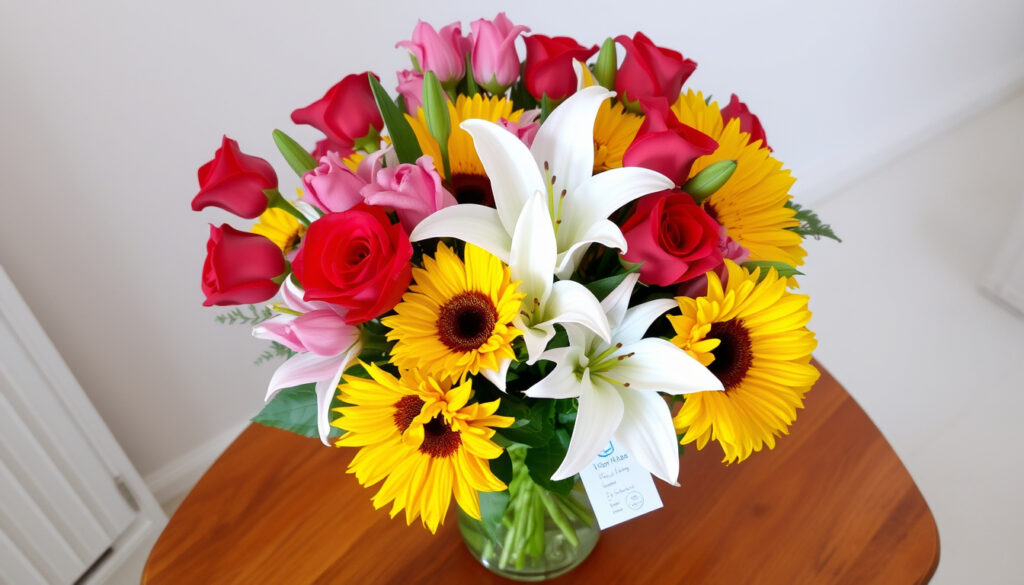
A bouquet of flowers represents one of humanity’s oldest traditions for expressing emotion, marking occasions, and bringing natural beauty into everyday spaces. From the ancient Greeks who wove garlands for ceremonies to modern florists crafting elaborate arrangements for life’s milestone moments, the art of the flower bouquet has evolved while retaining its essential purpose: communicating what words alone cannot convey.
Whether selecting blooms for a romantic gesture, a birthday celebration, or a sympathy offering, understanding the different types of bouquets, their symbolic meanings, and practical considerations helps ensure the right choice for every occasion. This guide covers everything from the history and significance of flower bouquets to practical tips on selection, care, and preservation.
What Is a Bouquet of Flowers?
A bouquet of flowers consists of multiple blooms arranged together in a cohesive design, typically bound by ribbon, wrapped in paper, or placed in a vase. Unlike loose stems, a bouquet presents flowers as a unified gift or decorative element, combining color, texture, and fragrance to create visual impact and emotional resonance.
The practice of gathering flowers into arrangements dates back thousands of years, with evidence of floral garlands found in ancient Egyptian tombs and Minoan frescoes. However, the modern concept of the hand-tied bouquet emerged during the Victorian era, when floriography—the language of flowers—reached its peak of popularity and social significance.
A curated collection of flowers arranged as a unified gift or decorative piece
Romantic, friendship, sympathy, wedding, and celebration bouquets
Budget-friendly options from $20, premium arrangements exceeding $150
Birthdays, anniversaries, weddings, graduations, condolences, and appreciation
Key Insights About Flower Bouquets
- Floriography, the Victorian-era language of flowers, assigned specific meanings to different blooms and colors, with traditions still influencing modern choices
- Romantic bouquets typically feature red roses, red tulips, or orchids, while friendship arrangements favor yellow roses, sunflowers, and daffodils
- Seasonal, locally grown flowers offer better value and freshness compared to imported exotics
- Carnations and chrysanthemums rank among the longest-lasting flowers, making them economical choices
- Odd-numbered stems in arrangements create a more natural, visually balanced appearance
- Proper care can extend a bouquet’s lifespan significantly, with some arrangements lasting up to two weeks
Types of Flower Bouquets
Flower bouquets fall into several distinct categories based on their intended recipient and occasion. Floral experts categorize arrangements primarily by their symbolic purpose and dominant flower types.
Romantic bouquets traditionally feature red roses, which symbolize love, passion, and beauty. Red tulips serve as an alternative for declarations of love and true affection, while orchids convey luxury, refinement, and mature love. These arrangements often include deep colors and classic combinations that emphasize intimacy and passion.
Friendship or cheer bouquets utilize brighter, warmer tones to convey joy and positive sentiment. Yellow roses express friendship and happiness, sunflowers radiate cheerfulness and loyalty, and daffodils represent new beginnings. Yellow tulips carry similar symbolism of sunshine and cheerfulness, making them appropriate for celebrating achievements or lifting spirits.
Sympathy or purity bouquets employ white and soft-colored blooms to express condolences, respect, and remembrance. White lilies symbolize purity and humility, white roses convey innocence and honor, white carnations represent pure love and good fortune, and white poppies offer consolation. These arrangements maintain a dignified, serene appearance appropriate for difficult occasions.
Admiration or gratitude bouquets incorporate pink varieties that communicate appreciation and recognition. Pink carnations express gratitude and the sentiment “I’ll never forget you,” pink roses convey elegance and admiration, and gerbera daisies add cheerful brightness to appreciation gestures.
| Bouquet Type | Primary Flowers | Symbolism | Best Occasions |
|---|---|---|---|
| Romantic | Red roses, red tulips, orchids | Love, passion, desire | Anniversaries, Valentine’s Day, proposals |
| Friendship | Yellow roses, sunflowers, daffodils | Joy, loyalty, new beginnings | Birthdays, achievements, get-well wishes |
| Sympathy | White lilies, white roses, white carnations | Purity, innocence, consolation | Funerals, memorial services, hospital visits |
| Wedding | Orange blossoms, peonies, myrtle | Eternal love, marriage, purity | Weddings, engagement celebrations |
| Appreciation | Pink carnations, pink roses, gerbera daisies | Gratitude, admiration, recognition | Thank you gestures, promotions, teacher appreciation |
How Much Does a Bouquet of Flowers Cost?
The cost of a bouquet of flowers varies considerably based on several factors including the types of flowers selected, arrangement complexity, size, and geographic location. Major floral retailers typically offer options across a wide price spectrum to accommodate different budgets and occasions.
Average Prices by Type
Budget-friendly bouquets featuring carnations, daisies, or mixed seasonal flowers often start around $20 to $40. These arrangements provide good value because carnations and similar varieties tend to be locally grown in many regions, reducing transportation costs while maintaining freshness and longevity.
Mid-range arrangements incorporating roses, tulips, or lilies typically fall between $50 and $100. These bouquets offer greater visual impact and more sophisticated combinations while remaining accessible for most occasions.
Premium bouquets featuring orchids, peonies, or imported specialty blooms can exceed $150. The higher cost reflects the flowers’ rarity, the skill required for arrangement, and their traditional associations with luxury and exclusivity.
Choosing seasonal, locally grown flowers over imported varieties can reduce costs by 30-50% while often providing better freshness and a smaller environmental footprint.
Delivery Costs
Delivery fees add to the overall cost of purchasing a bouquet and vary based on distance, urgency, and the retailer’s policies. Standard delivery typically ranges from $10 to $20 within a local area, while same-day or next-day delivery services may charge premium rates of $25 or more.
For those seeking a bouquet of flowers delivery near me, national florists like Whole Blossoms and FTD maintain networks of local affiliates to provide broader coverage. Checking local florists directly often yields competitive pricing and the ability to coordinate more personalized arrangements.
What Are the Best Flowers for a Bouquet?
Selecting the best flowers for a bouquet depends on the occasion, desired symbolism, color preferences, and practical considerations like longevity. Florists generally consider both aesthetic and symbolic factors when recommending combinations for specific purposes.
Popular Flowers and Their Characteristics
Roses remain the most recognized choice for romantic bouquets, with red varieties symbolizing love and passion, pink conveying perfect happiness, and white representing innocence. Their classic appearance and pleasing fragrance make them versatile for many arrangements.
Carnations offer exceptional value for budget-conscious buyers. These durable blooms come in various colors, each carrying distinct meanings: light red for admiration, dark red for deep love, pink for gratitude, white for purity, and yellow for disappointment or rejection.
Tulips provide elegant simplicity with clean lines and vibrant colors. Red tulips make a declaration of love, yellow tulips brighten any space with their cheerful symbolism, and purple tulips convey royalty and elegance.
Lilies add dramatic presence to arrangements. Different varieties carry different meanings: tiger lilies symbolize wealth and pride, lily-of-the-valley represents sweetness and humility, and white lilies convey purity and renewal.
Professional florists recommend incorporating filler flowers like baby’s breath and foliage such as ferns to add texture and volume. Odd-numbered stems—3, 5, or 7—create a more natural, balanced appearance than even-numbered groupings.
What Do Bouquets of Flowers Mean?
The meanings associated with flower bouquets derive primarily from floriography, a system of floral symbolism that flourished during the Victorian era. This coded language of flowers allowed individuals to communicate complex emotions and sentiments that social conventions prohibited expressing directly.
Symbolism by Flower Type
The symbolic meaning of any bouquet depends heavily on the specific flowers included and their colors. Comprehensive guides to plant symbolism document how the same flower can carry different meanings based on variety and hue. For a delicious side dish, consider this easy authentic Mexican rice recipe at $easy authentic mexican rice recipe.
Beyond roses, several flowers carry distinctive symbolic weight. Forget-me-nots represent true love and faithfulness. Violets symbolize modesty, simplicity, and faithfulness. Red chrysanthemums convey love and devotion, while purple hyacinths traditionally apologize and request forgiveness. White poppies offer consolation, making them appropriate for sympathy arrangements.
Flower meanings can vary significantly across cultures and time periods. While yellow roses commonly symbolize friendship in Western traditions, some interpretations associate yellow roses with jealousy or declining love. Always consider the recipient’s cultural background when selecting flowers for significant occasions.
How Long Do Bouquets of Flowers Last?
The lifespan of a bouquet of flowers depends primarily on the types of flowers included, their freshness at purchase, and the care they receive afterward. Understanding these factors helps set realistic expectations and maximize the enjoyment of any floral arrangement.
Roses typically remain vibrant for 5 to 7 days with proper care. Lilies and sunflowers can last 7 to 10 days under good conditions. Carnations prove particularly resilient, often lasting two weeks or longer, which explains their popularity for budget-conscious buyers seeking longevity.
Poppies and some other delicate varieties wilt more quickly and may last only 3 to 5 days. Selecting hardy, durable flowers extends the arrangement’s visual appeal significantly.
Extending Bouquet Lifespan
Proper care dramatically affects how long a bouquet remains fresh. Flower care specialists recommend several practices to maximize vase life.
Recut stems at a 45-degree angle before placing them in water to improve water absorption. Remove all foliage below the waterline to prevent bacterial growth. Change the water every two days, and keep the arrangement in a cool location away from direct sunlight, heat sources, and ripening fruit, which releases ethylene gas that accelerates wilting.
Using flower food packets provided by florists can extend vase life by providing essential nutrients. If packets are unavailable, adding a teaspoon of sugar and a few drops of bleach to fresh water can serve as a simple alternative.
The Evolution of Flower Bouquets Through History
The tradition of creating flower bouquets has evolved significantly over millennia, reflecting changing cultural practices, aesthetic preferences, and technological advances in cultivation and transportation.
- Ancient Origins (3000 BCE – 500 CE): Ancient Egyptians, Greeks, and Romans wove garlands and wreaths for ceremonial purposes, religious rituals, and athletic competitions. Flowers held spiritual significance and were offerings to deities.
- Medieval Period (500 – 1400 CE): Monastic gardens cultivated flowers primarily for medicinal and utilitarian purposes. Herbal arrangements served practical functions rather than decorative ones.
- Renaissance (1400 – 1700 CE): European nobility embraced elaborate floral displays in manor homes and at court events. Flowers became symbols of wealth and status.
- Victorian Era (1800s): Floriography emerged as a sophisticated system of communication. Flower dictionaries became popular, and hand-tied bouquets became common gifts. The Victorian language of flowers assigned specific meanings to blooms and colors.
- Modern Era (1900s – Present): Commercial flower farming, refrigeration, and global transportation networks made exotic flowers available year-round. Online ordering and delivery services transformed how people purchase and send bouquets.
Understanding Certainty and Uncertainty in Flower Symbolism
While flower symbolism has ancient roots, modern interpretations vary considerably. Understanding which aspects of floral meaning are well-established versus those open to interpretation helps make informed selection decisions.
| Established Information | Variable Information |
|---|---|
| Red roses traditionally symbolize love and romance | Yellow rose meanings vary between friendship and jealousy depending on cultural context |
| White lilies represent purity and innocence | Orchid symbolism ranges from luxury to mature love across traditions |
| Carnations offer extended vase life compared to many flowers | Specific price points fluctuate seasonally and regionally |
| Victorian floriography established the foundation for modern flower symbolism | Regional florist availability and delivery options vary by location |
The Cultural Significance of Flower Bouquets Today
In contemporary society, flower bouquets continue serving as meaningful expressions of human emotion and connection. Floral industry organizations note that bouquets remain popular across cultures for celebrating life’s milestones and offering comfort during difficult times.
Sustainability considerations increasingly influence purchasing decisions. Choosing locally grown flowers, such as carnations from regions like Kenya, reduces the environmental impact associated with transportation and cold storage. Selecting seasonal blooms over imported exotics supports both environmental goals and local flower farmers while often providing better value.
The rise of online ordering and delivery services has made sending bouquets more convenient than ever, enabling people to maintain relationships across distances while still expressing sentiments through the timeless gesture of flowers.
Expert Perspectives on Flower Selection and Care
Professional florists and botanical experts offer valuable guidance for those selecting and maintaining flower bouquets.
“When selecting flowers for a specific occasion, consider not just the immediate visual impact but the symbolic message you’re conveying. The Victorian tradition of floriography reminds us that flowers communicate even when words fall short.”
“The longevity of a bouquet depends as much on care after purchase as on the initial quality. Simple practices like recutting stems and changing water regularly can double or triple vase life.”
— Good Housekeeping Flower Care Guide
Summary and Next Steps
A bouquet of flowers represents far more than a simple collection of stems—it carries centuries of cultural tradition, symbolic meaning, and emotional significance. Understanding the different types of bouquets, their associated meanings, and practical considerations like cost and longevity empowers better choices for any occasion.
Whether selecting a romantic arrangement of red roses, a cheerful friendship bouquet of yellow sunflowers, or a dignified sympathy arrangement of white lilies, the right choice depends on the recipient, occasion, and personal preferences. With proper care, a thoughtfully chosen bouquet can bring beauty and meaning to any space for days or even weeks.
For those planning costumes shop near me for a themed event or seeking dermatologist near me for related concerns, remember that flowers make thoughtful additions to many occasions, from costume parties to recovery wishes.
Frequently Asked Questions
Are flower bouquets expensive?
Flower bouquet prices range significantly. Budget-friendly options start around $20-$40 with carnations or seasonal flowers. Mid-range arrangements with roses or tulips typically cost $50-$100. Premium bouquets featuring orchids or peonies can exceed $150.
Can I customize a bouquet of flowers?
Most florists offer customization options including flower selection, color schemes, arrangement style, and added elements like ribbons or decorative containers. Discuss preferences and budget with your florist to create a personalized arrangement.
What’s the difference between a bouquet and a flower arrangement?
A bouquet typically refers to a hand-tied collection of flowers meant to be carried or presented as a gift. A flower arrangement usually describes flowers designed within a vase or container for display purposes, often in a more permanent setting.
Which flowers last the longest in a bouquet?
Carnations, chrysanthemums, and alstroemeria are among the longest-lasting flowers, often remaining fresh for two weeks or more. Roses typically last 5-7 days, while lilies and sunflowers can reach 7-10 days with proper care.
What flowers work best for wedding bouquets?
Traditional wedding flowers include orange blossoms for eternal love, myrtle as a marriage emblem, peonies for a happy marriage, and white roses or lilies for purity. The best choice depends on the wedding theme, season, and personal preference.
How do I make a bouquet of flowers at home?
Select flowers by meaning and season, gather tools including floral tape and shears, trim stems at a 45-degree angle, remove lower foliage, build from focal flowers in the center, add filler flowers and greenery, then secure with tape. Florists recommend using odd numbers of stems for a natural appearance.
Where can I find bouquet of flowers delivery near me?
National florist networks like FTD and Whole Blossoms connect customers with local florists across many regions. Searching online for local flower shops and comparing delivery options helps find the most convenient and cost-effective solution.
Do flower meanings vary by culture?
Yes, flower symbolism varies significantly across cultures. While red roses generally convey love in Western traditions, other cultures may interpret colors and flowers differently. Researching cultural associations helps ensure appropriate selections for recipients from different backgrounds.
Related stories




Chris Lawson covers culture, lifestyle and society across Australia for Aussie Briefly.